.jpg)
Bankruptcy After Divorce in Oklahoma: What Broken Arrow Families Should Know in 2026
September 7, 2026

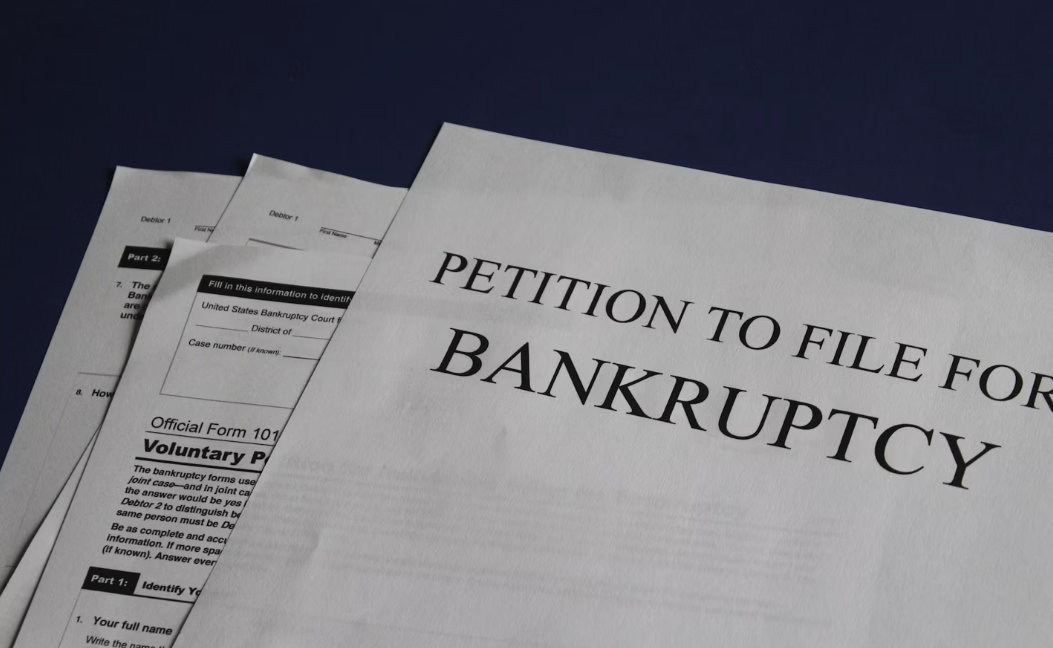
Divorce and bankruptcy are two of the most stressful legal processes a family can face. When they arise together, which happens more often than most people realize, the timing and structure of both filings can materially affect the outcome. Coordinating both processes strategically can preserve options, reduce complications, and produce better financial results than handling them separately. This article explains when divorce and bankruptcy commonly arise together, how the two processes interact, and why some cases benefit from strategic coordination.
The financial stress of a struggling marriage often produces both debt problems and marital breakdown. Divorce itself creates additional financial pressure: two households instead of one, legal costs, potential support obligations, and the practical costs of separation.
Common patterns that lead to combined divorce and bankruptcy considerations:
Debt problems predate the divorce. Credit card debt, medical bills, business losses, or unemployment created financial stress that contributed to marital breakdown. Both bankruptcy and divorce become necessary responses to different aspects of the same underlying situation.
Divorce creates or reveals debt problems. The financial impact of divorce (household split, legal costs, support obligations) tips a family from managing debt to being overwhelmed by it. Bankruptcy becomes an option post-divorce that wasn't necessary before.
One spouse's debt affects the other. Debts incurred during the marriage may be shared debts under Oklahoma law, meaning one spouse's financial problems affect the other's post-divorce financial position.
Business-related bankruptcy affects the marital estate. When one or both spouses own a business that fails, the resulting bankruptcy interacts with the division of marital assets in complex ways.
Consumer bankruptcy comes in two primary forms:
Chapter 7 bankruptcy is a liquidation bankruptcy. Non-exempt assets can be sold to pay creditors, and remaining eligible debts are discharged. Chapter 7 is typically faster (a few months) and produces immediate debt relief for those who qualify.
Chapter 13 bankruptcy is a reorganization bankruptcy. Instead of liquidation, the debtor proposes a repayment plan lasting three to five years. During the plan, protected debts are repaid partially or in full, and remaining eligible debts are discharged at the end.
Which chapter fits a specific situation depends on income, asset value, debt type, and specific goals.
The order in which divorce and bankruptcy happen affects outcomes significantly. Common scenarios:
Bankruptcy before divorce. Filing jointly for Chapter 7 before divorce can be efficient if both spouses qualify. Joint bankruptcy discharges eligible debts for both spouses through a single filing, reducing legal costs and simplifying post-divorce financial arrangements. However, joint bankruptcy requires cooperation, which is not always available in a deteriorating marital relationship.
Bankruptcy after divorce. Filing individual bankruptcy after divorce is common when one spouse's financial situation is worse than the other's or when the parties cannot cooperate on a joint filing. Post-divorce bankruptcy addresses one spouse's debts and does not directly affect the other, though shared debts may still create exposure.
Divorce and bankruptcy simultaneously. Some cases involve both processes running in parallel. This requires careful coordination because bankruptcy imposes an "automatic stay" that can affect the divorce process, and divorce decisions can affect bankruptcy asset distribution.
The right timing depends on:
Not all debts can be discharged in bankruptcy, and not all debts are treated the same way in divorce:
Dischargeable in bankruptcy: Most credit card debt, medical bills, personal loans, older tax debts (with specific requirements), and unsecured deficiency debts.
Not dischargeable in bankruptcy: Child support, alimony/spousal support, most student loans, recent tax debts, court-ordered restitution, and debts arising from specific fraud or wrongdoing.
Marital debt vs individual debt in divorce: Debts incurred during the marriage are generally marital debts, subject to equitable distribution in divorce. Debts incurred before the marriage or after separation may be individual debts.
The overlap between what bankruptcy can discharge and what divorce can allocate is important. A debt can be assigned to one spouse in divorce, but if that spouse later files bankruptcy, the debt discharge doesn't automatically release the other spouse from any joint liability on the same debt.
This is where coordination matters. A well-structured divorce and bankruptcy sequence can produce a much cleaner financial outcome than uncoordinated filings.
Divorces involving retirement account division often use Qualified Domestic Relations Orders (QDROs) to divide 401(k), pension, or similar accounts without triggering tax penalties.
When bankruptcy is also involved, retirement account treatment becomes complex. Retirement accounts are generally protected in bankruptcy (they're exempt assets), but QDROs and the timing of retirement account division can interact with bankruptcy in ways that require careful attention.
Eggert Law Firm's practice covers both QDROs and bankruptcy, which allows for coordinated planning that avoids many of the specific problems that arise when different attorneys handle the two aspects without communication.
Most family law firms do not handle bankruptcy. Most bankruptcy firms do not handle family law. Clients with both needs often end up with two separate attorneys who may not communicate effectively about the interactions between the two cases.
Coordinated representation has specific advantages:
Timing planning. A single team can plan the sequence of filings for maximum benefit.
Debt allocation strategy. Divorce decisions about who is assigned which debts can be structured to work with, rather than against, the bankruptcy filing.
Asset planning. Marital asset division can be structured to preserve exemptions and avoid unnecessary bankruptcy complications.
Communication. A single team communicates with the client without the client having to bridge conversations between two firms.
Cost efficiency. Coordinated representation is often less expensive than parallel representation from separate firms.
Eggert Law Firm is structured to provide this coordinated representation when both divorce and bankruptcy are needed. Christopher J. Eggert handles family law and bankruptcy as complementary practice areas, which allows for the strategic coordination described above.
Consider whether bankruptcy planning belongs in your divorce discussion if:
Not every divorce involves bankruptcy considerations. Many divorces involve manageable debt levels that don't require bankruptcy. But for cases where the financial picture is difficult, considering both options together produces better outcomes than treating them separately.
Eggert Law Firm represents clients across the Tulsa metro in coordinated divorce and bankruptcy matters. Consultations cover your specific financial and family situation, whether bankruptcy considerations belong in the divorce planning, and how coordinated representation would work for your case.
Consultations happen at our Broken Arrow office at 108 W Dallas St or by video call. For financially complex cases, bring recent tax returns, credit card statements, mortgage documents, and any other financial documentation to speed up the initial assessment.
To schedule a consultation about a combined divorce and bankruptcy situation, contact the office at (539) 252-9364 or through the contact form.
Attorney-Client Disclaimer: The information in this article is provided for general informational purposes only and does not constitute legal advice. Reading this article does not create an attorney-client relationship between you and Eggert Law Firm. For advice about your specific situation, please contact the firm directly to schedule a consultation.
FREQUENTLY ASKED QUESTIONS
Please take a moment to fill out and submit the contact form below. To schedule a constultation - use the scheduling link below.
Please Note: By providing a telephone number and submitting this form you are consenting to be contacted by SMS text message. Message and Data Rates may apply. You can STOP messaging by sending STOP and get more help by sending HELP. Our Privacy Policy can be found here. Submitting this contact form does not create an attorney-client relationship, preserve any confidentiality, provide any guarantees, or obligate Eggert Law Firm to take any action on your behalf.
Schedule Consultation