.jpg)
Bankruptcy After Divorce in Oklahoma: What Broken Arrow Families Should Know in 2026
September 7, 2026

.jpg)
Bankruptcy offers a fresh start. It can eliminate or restructure debts under court protection. But it's not a decision to take lightly.
There are different types of bankruptcy. Each type serves different needs, whether personal or business-related. Knowing which suits your situation is vital.
Federal and state laws govern bankruptcy. These laws dictate how the process unfolds. They also determine what assets you can keep.
Filing for bankruptcy involves several steps. From credit counseling to court petitions, each step requires careful attention. Missing details can complicate matters.
The process impacts your financial future. It affects credit scores and borrowing ability. But it also offers relief from debt burdens.
Legal advice is essential. Professionals can guide you through complex procedures. They help ensure compliance with all legal requirements.
This guide will walk you through the bankruptcy process. It aims to provide clarity and support for informed decisions.
Bankruptcy is a financial lifeline. It helps individuals and businesses manage debts they can’t repay. It's a structured way to address financial distress.
The bankruptcy process is legal and protective. It stops collection efforts and halts debt-related lawsuits. It provides a temporary pause for financial reevaluation.
Several chapters exist within bankruptcy laws. Each chapter serves distinct financial scenarios. Here's a brief list:
These options allow debtors to choose a suitable path. The choice depends on income, assets, and future financial goals. Understanding these options is essential.
Filing for bankruptcy has both benefits and drawbacks. It can discharge many debts, offering a fresh start. However, it can also impact credit for years.
Navigating bankruptcy requires understanding its nuances. It can be a daunting process without guidance. Legal professionals can help demystify and streamline it.
Bankruptcy laws provide a framework. They are primarily governed by federal laws. This ensures a uniform process across the country.
However, state laws also play a role. They affect exemptions and certain procedures. Understanding the interplay between federal and state laws is crucial.
Federal bankruptcy laws are detailed in the U.S. Bankruptcy Code. This code dictates how cases proceed. It outlines rights and responsibilities for debtors and creditors.
State-specific provisions add complexity. Here's what states typically influence:
Navigating these laws requires knowledge. Both state and federal regulations must be considered. Consulting a legal professional can aid in understanding these intricate nuances. This helps make informed decisions throughout the bankruptcy journey.
Bankruptcy options cater to different needs. Personal and business circumstances determine the appropriate type. Each type serves a specific financial situation.
Personal bankruptcy generally involves Chapter 7 or Chapter 13. These chapters help individuals manage insurmountable debt. They offer different paths to financial relief.
Business bankruptcy often involves Chapter 11. This chapter allows for restructuring. Businesses can continue operating while reorganizing their debts.
Choosing the right type is critical. It depends on factors like income, assets, and long-term goals. Evaluation of these aspects is necessary for successful outcomes.
Chapter 7 is often called liquidation bankruptcy. It involves selling assets to pay off debts. Individuals discharge unsecured debts, such as credit cards, through this process.
It's a swift process, typically concluding within months. Not everyone qualifies for Chapter 7, though. A means test is used to determine eligibility.
The means test assesses income and expenses. Passing the test allows for asset liquidation. It’s the first major step for debt relief under Chapter 7.
Despite asset loss, Chapter 7 offers a fresh start. It's effective in relieving overwhelming debt. However, credit impact and loss of property should be weighed.
Chapter 13 offers a different approach. It involves creating a repayment plan. This plan spans three to five years, allowing manageable payments.
Debt reorganization under Chapter 13 prevents asset loss. Individuals retain valuable property while repaying debts. It’s suitable for those with regular income.
A confirmed repayment plan is crucial. Bankruptcy courts approve plans based on feasibility. Compliance with plan terms is mandatory for successful discharge.
Chapter 13 suits those wishing to avoid liquidation. It's a long-term plan, providing gradual debt reduction. The process demands consistent payments, requiring financial discipline.
Chapter 11 caters primarily to businesses. It facilitates reorganization to keep operations running. This chapter provides flexibility for corporate debt restructuring.
Reorganization helps businesses develop recovery strategies. Debts are restructured to improve financial viability. The goal is to regain profitability and reduce debt burdens.
Chapter 11 is resource-intensive. It's suitable for entities with potential for recovery. The process requires significant time and legal expertise.
In some instances, businesses might explore Chapter 7. This applies if liquidation becomes necessary. Bankruptcy options vary based on the financial health and goals of the business.
Before considering bankruptcy, explore debt relief options. These alternatives can offer solutions without the legal complexities. Understanding these options is crucial for a balanced decision.
Options like debt consolidation might lower your interest rates. This involves combining debts into one payment. It simplifies management and potentially reduces total payments.
Debt negotiation or settlement is another approach. It involves negotiating reduced payments with creditors. Successfully negotiating can result in lower total owed amounts.
Exploring these options can provide relief without filing. They can help regain control over your finances. Choosing the right option depends on your specific financial scenario. Before making a final decision, weigh the potential impact on your financial future.
Determining if bankruptcy is the right choice requires careful thought. Evaluating your financial circumstances is the first step. Assess your total debt, income, and expenses meticulously.
Understanding the implications is important. Bankruptcy can offer a fresh start but comes with consequences. It might affect your credit and future borrowing ability for years.
Consult a financial advisor or attorney before deciding. They can provide personalized guidance based on your situation. Making an informed decision is crucial to achieving financial stability.
Filing for bankruptcy involves several structured steps. Each step requires specific actions and documentation. Understanding these steps can aid a smoother process.
Initially, you must complete credit counseling. This is a federal requirement. Post-counseling, you can file your bankruptcy petition.
The filing stage includes gathering detailed financial records. This ensures transparency and accuracy in your petition. Once filed, an automatic stay is enacted.
This stay halts most debt collection actions. It allows you breathing space. After filing, the bankruptcy trustee becomes involved.
The trustee oversees the proceedings. They ensure fair treatment of all parties involved. A meeting of creditors follows.
During this meeting, creditors can question your financial status. It's a formal, necessary step. Objections might arise, requiring resolution.
Finally, eligible debts are discharged, and the case concludes. This marks the end of the process. It's essential to comprehend every step thoroughly.
Before you file for bankruptcy, credit counseling is mandatory. This should be done within 180 days before filing.
Counseling helps explore alternatives and improve financial management. Choose a government-approved agency for this step.
Key Requirements:
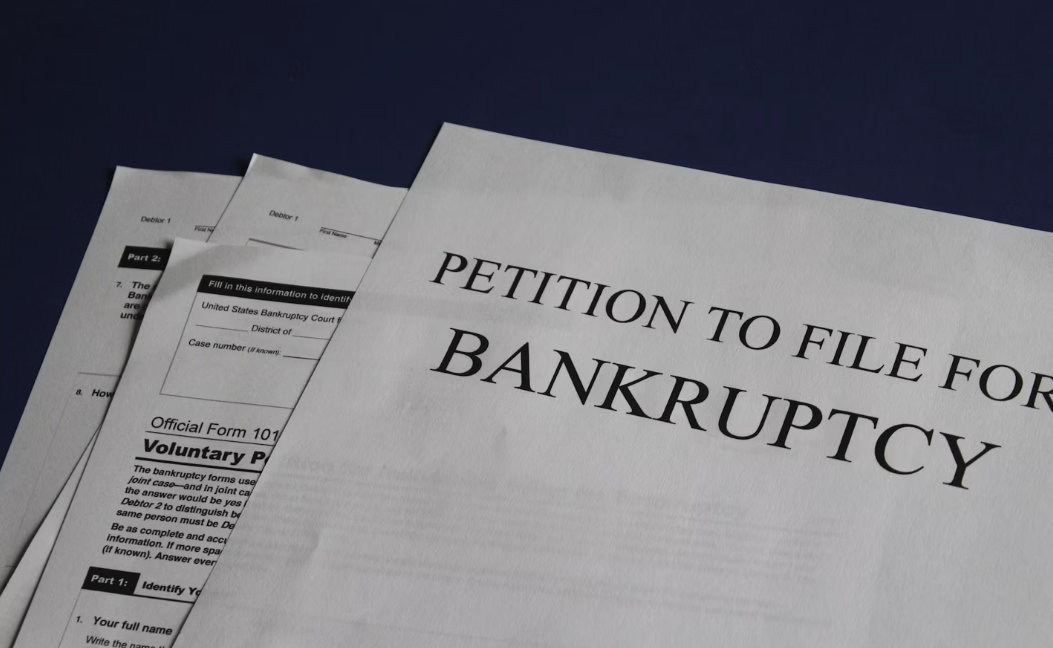
Filing your petition starts the official process. It's crucial to include all necessary documentation. Ensure every detail accurately reflects your financial situation.
Documentation must list all creditors, assets, and liabilities. The petition should also outline your current income and expenses. Failing to provide accurate information can complicate the case.
Necessary Documents:
Once you file your bankruptcy petition, the automatic stay takes effect. This legal measure provides immediate relief.
The stay stops most collection activities against you. Creditors can no longer pursue actions like wage garnishment. It's a critical feature that protects during the process.
Key Effects:
The trustee plays a vital role in bankruptcy. They act as a neutral party, overseeing your case. Their responsibility is to manage your estate fairly.
Trustees review your documents and handle creditor meetings. They ensure compliance with bankruptcy laws. Their presence helps maintain order and fairness.
Trustee Responsibilities:
The 341 meeting is a formal requirement in the bankruptcy process. Creditors and the trustee attend.
At this meeting, you will answer questions about your financial status. It's a chance for creditors to verify details. While formal, this is not a courtroom setting.
Purpose and Process:
Creditors may object to certain aspects of your bankruptcy case. Addressing these promptly is essential.
Objections might concern debt dischargeability or asset valuation. Resolutions are usually achieved through negotiation or court hearings.
How to Handle:
The final step in bankruptcy is debt discharge. This effectively releases you from the obligation of certain debts.
The court issues an order discharging eligible debts. Upon discharge, your bankruptcy case is closed. This concludes your bankruptcy process, allowing for a financial reset.
Final Steps:
Bankruptcy can offer relief from overwhelming debts. However, not every debt is dischargeable. Knowing which debts bankruptcy can erase is crucial to your financial planning.
Commonly discharged debts include credit card balances and medical bills. Personal loans also typically qualify. These debts are usually unsecured and stand the highest chance for discharge.
Some debts, however, are impervious to bankruptcy discharge. These include certain tax obligations and student loans. Child support and alimony are also non-dischargeable.
Examples of Dischargeable and Non-Dischargeable Debts:
Understanding these categories can help you manage expectations. It's vital to consult with a legal expert to clarify your specific situation.
Filing for bankruptcy doesn't mean losing everything you own. Bankruptcy exemptions allow you to keep certain essential assets. These exemptions vary by state, influencing what property remains protected.
Exemptions typically cover personal items, housing, and retirement savings. For example, many states offer a homestead exemption for your primary residence. Other exemptions might include a modest automobile and household goods.
Understanding your state's specific exemptions is crucial. They can significantly affect the outcome of your bankruptcy case. Consulting with a bankruptcy attorney can help clarify which assets you can retain, guiding you through state-specific nuances.
Common Bankruptcy Exemptions:
Navigate exemptions carefully to maximize protection of your assets.
Bankruptcy significantly affects your credit score and future borrowing. Although it offers debt relief, the damage to your credit can last up to ten years. During this time, obtaining loans or favorable interest rates may be more challenging.
However, bankruptcy can also be a turning point, providing a path to rebuild your financial life. By adopting responsible spending habits and paying bills promptly, you can gradually repair your credit profile. This process requires patience and discipline but is ultimately rewarding.
The long-term effects of bankruptcy extend beyond credit scores. It may impact insurance premiums, employment opportunities, and housing applications. Consider these factors carefully when deciding to file. Understanding these implications helps you make a well-informed choice about your financial future.
Life after bankruptcy requires resilience and planning. Though bankruptcy can be a challenging experience, it's also an opportunity for a fresh start. Embrace this period as a chance to reassess your financial habits and set new goals.
Building a secure financial future involves creating a realistic budget. Prioritize saving, paying bills on time, and avoiding unnecessary debt. By doing so, you establish a solid foundation for fiscal stability and growth. Consider financial counseling to gain insights into effective money management.
Reestablishing credit is another crucial step. Start by applying for a secured credit card or a small loan to rebuild your credit history. Always make timely payments and keep credit utilization low. This strategy gradually enhances your credit score and boosts lender confidence.
Many myths surround bankruptcy, often leading to confusion. Clarifying these misconceptions is essential for informed decision-making. Bankruptcy does not mean financial ruin; rather, it's a tool for debt relief.
One common myth is that bankruptcy eliminates all debts. However, some debts like child support remain. Another misconception is that bankruptcy destroys credit permanently. In reality, rebuilding credit is feasible with disciplined financial habits.
Navigating bankruptcy can be confusing. Here are answers to common questions. These can help clear up uncertainty about the process.
Will bankruptcy eliminate all my debts? Not all debts are dischargeable. Some debts, such as student loans and alimony, often remain.
How long does bankruptcy affect my credit? Typically, Chapter 7 remains on credit reports for 10 years, while Chapter 13 stays for 7 years.
What is the cost of filing for bankruptcy? Costs vary by complexity and location. Attorney fees and court fees are the main expenses.
Here’s a quick list of FAQs:
Understanding the bankruptcy process is vital. It helps in assessing whether it's the right step for you. Each situation is unique, and considering legal advice is wise.
Bankruptcy offers a chance to reset finances but also has lasting effects. Carefully weigh the pros and cons. Make sure to examine all debt relief options before proceeding. This ensures an informed decision that aligns with your financial goals. Remember, knowledge empowers you to navigate this complex process confidently.
We are a debt relief agency. We help people file for bankruptcy relief under the Bankruptcy Code.
Please take a moment to fill out and submit the contact form below. To schedule a constultation - use the scheduling link below.
Please Note: By providing a telephone number and submitting this form you are consenting to be contacted by SMS text message. Message and Data Rates may apply. You can STOP messaging by sending STOP and get more help by sending HELP. Our Privacy Policy can be found here. Submitting this contact form does not create an attorney-client relationship, preserve any confidentiality, provide any guarantees, or obligate Eggert Law Firm to take any action on your behalf.
Schedule Consultation